Address
First Floor, CAG - Goba Church Building,
742R + QGW Goba Road Near ATN Petrol Station
Contact Us
+255 749 793 556
+255 783 295 022

We work with the Base of the Pyramid (BOP) for peaceful co-existence with primary forests and other fragile ecosystems for prosperity and a low carbon economy.
At CIDIL, we are committed to establishing a sustainable distribution network for electric cookers, aiming to deploy 5 million eCook stoves over the next five years. This initiative seeks to reduce household air pollution and greenhouse gas emissions by promoting cleaner cooking solutions in the East and Central African Region
Partnership with
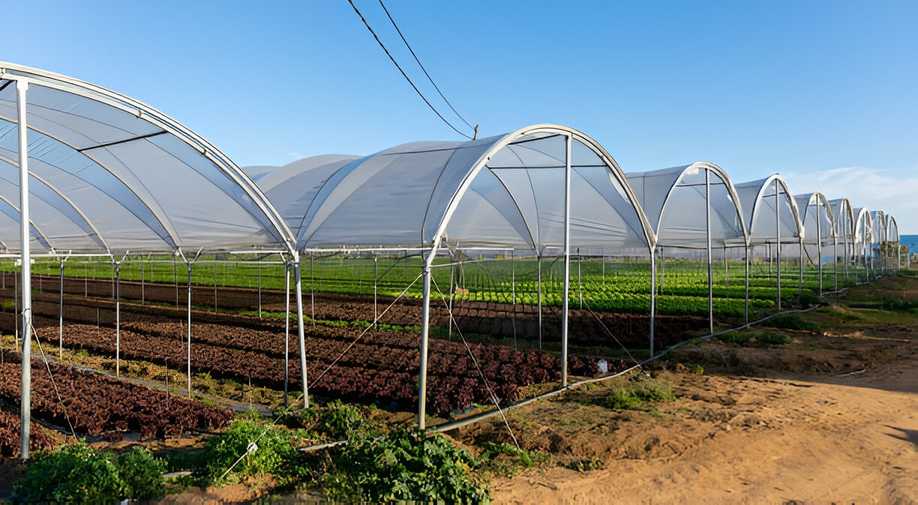
Experience the future of sustainable agriculture with CIDIL’s ventilated greenhouses, where optimal airflow, humidity balancing and temperature control meets innovative design to create the perfect environment for your crops to thrive no matter the season – rainy or dry season.
Our state-of-the-art ventilation systems regulate temperature and humidity to the optimums scientifically established for each crop type, ensuring healthier plants and higher yields. Join us in cultivating success through advanced greenhouse solutions.
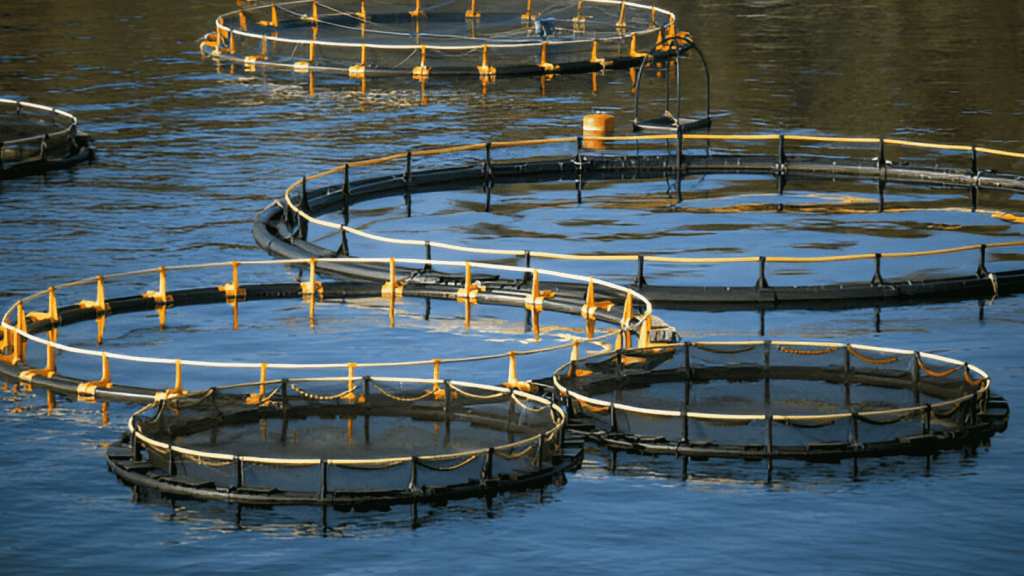
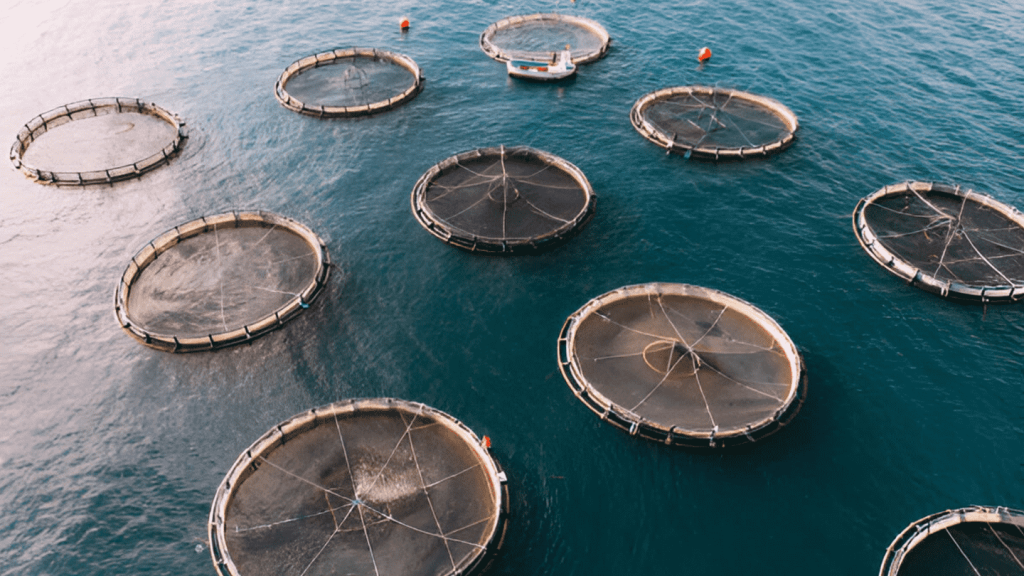
Dive into the future of aquaculture with CIDIL’s commercial-scale solutions, where innovation meets sustainability to deliver unparalleled efficiency and productivity. Our state-of-the-art systems are designed to optimize fish farming operations, ensuring high yields while maintaining environmental responsibility. Partner with us to transform your aquaculture ventures into thriving, sustainable enterprises.
At CIDIL, we are dedicated to uplifting Base of the Pyramid (BoP) communities through strategic investments in education and health. Our initiatives focus on enhancing access to quality education and comprehensive healthcare services, empowering individuals to improve their socio-economic well-being.
By addressing these fundamental needs, we aim to create sustainable value and drive inclusive growth within the communities we
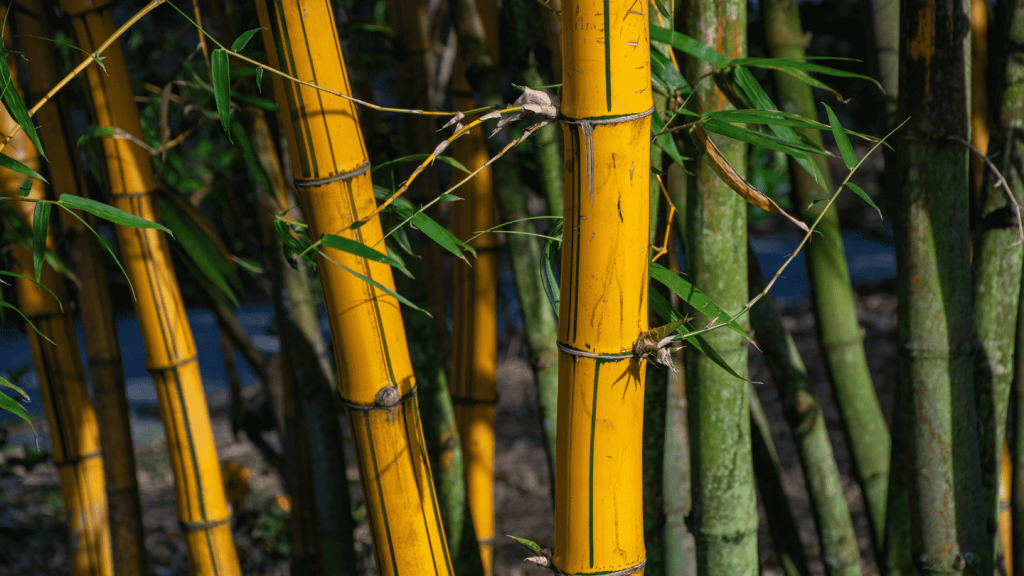
For over 2,000 uses including high carbon capture and bio-ethanol manufacturin, At CIDIL, we champion the cultivation of 100,000 hectares of bamboo per year – a versatile resource with over 2,000 applications, including high-efficiency carbon capture and bioethanol production.
Our initiatives harness bamboo’s rapid growth and high cellulose content to produce uncarbonized pellets, high quality paper and power-grade bioethanol for sustainably decarbonizing the transport sector, contributing to cleaner energy solutions. By integrating bamboo into our projects, we aim to drive environmental sustainability and economic development in the communities we serve.
At CIDIL, we are dedicated to the participatory conservation and expansion of mangroves and other coastal ecosystems, recognizing their vital role in carbon sequestration and biodiversity support. Our Blue Carbon initiative actively involves local communities in restoration efforts, ensuring sustainable management and protection of these critical habitats.
By integrating innovative alternative livelihood programs, such as sustainable aquaculture and eco-tourism, we provide economic opportunities that reduce reliance on activities leading to environmental degradation. This holistic approach not only mitigates climate change impacts but also enhances the resilience and well-being of adjacent communities.
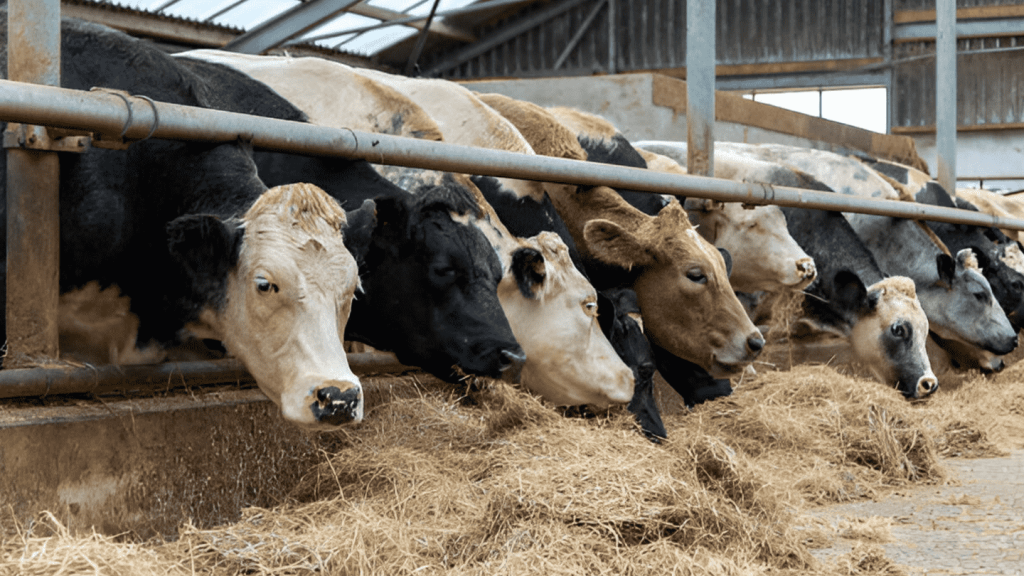
At CIDIL, we are mobilizing communities to cultivate high-yielding Bana grass (Pennisetum purpureum), a versatile crop with applications in livestock feed, renewable energy, and organic fertilizer production. Key Benefits of Bana Grass Cultivation: Livestock Feed: Bana grass serves as an excellent fodder due to its high protein content, supporting improved animal nutrition and productivity; Renewable Energy:
The biomass from Bana grass can be processed into bioenergy, contributing to sustainable energy solutions and reducing reliance on fossil fuels.; Organic Fertilizer: The byproducts from processing Bana grass can be converted into organic fertilizers, enhancing soil fertility and promoting sustainable agricultural practices
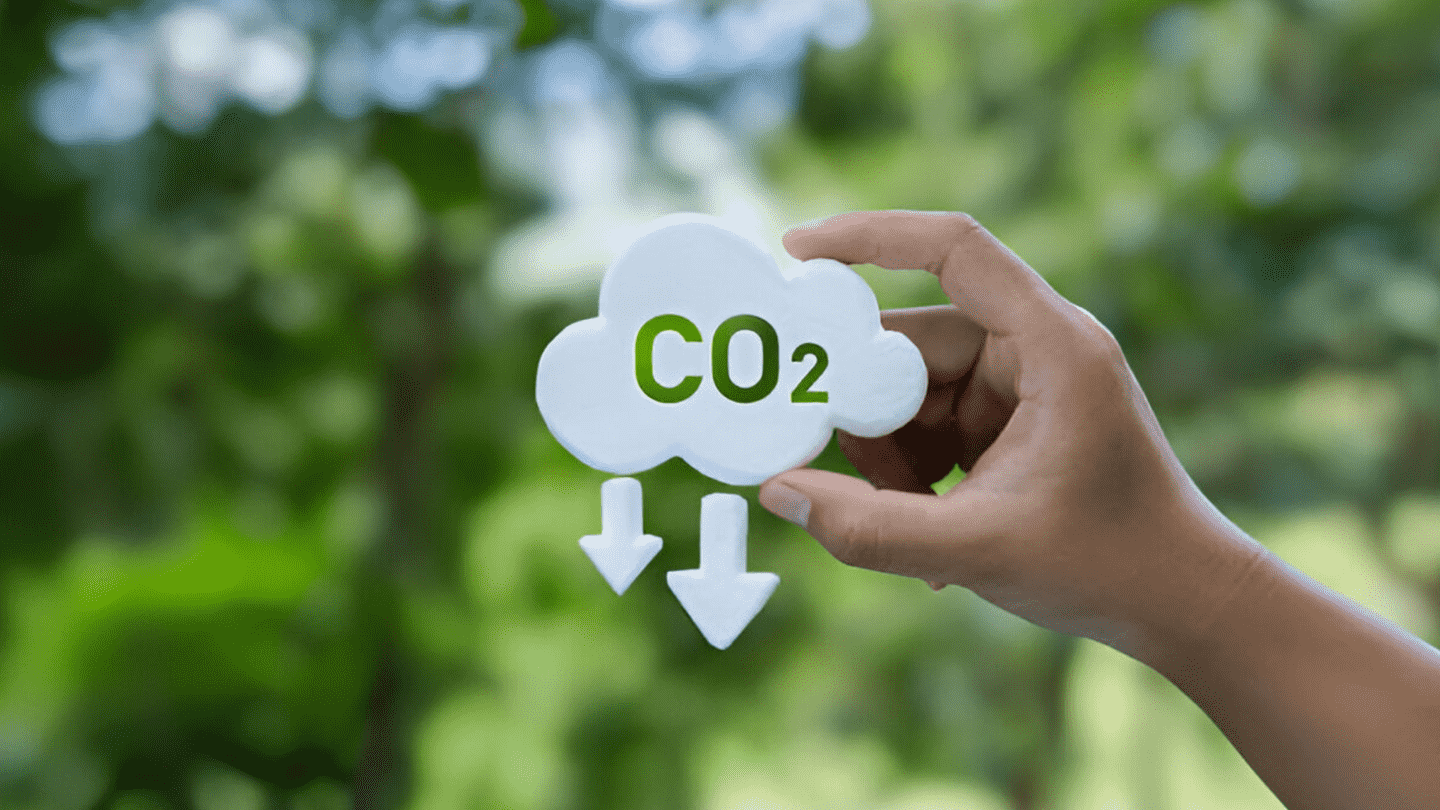
CIDIL is committed to quantifying the carbon emissions reduction potential of its diverse project activities, with the goal of generating carbon credits for market trading. This initiative, supported by development partners and other stakeholders, involves a structured process to ensure the credibility and marketability of the carbon credits.
We do Agroecology, Agribusiness, Clean cooking, Biodiversity enhancement, Climate Change mitigation and adaptation innovations